The future of journalism in Marseille: Asking the difficult questions
| WAN-IFRA | 3 min read
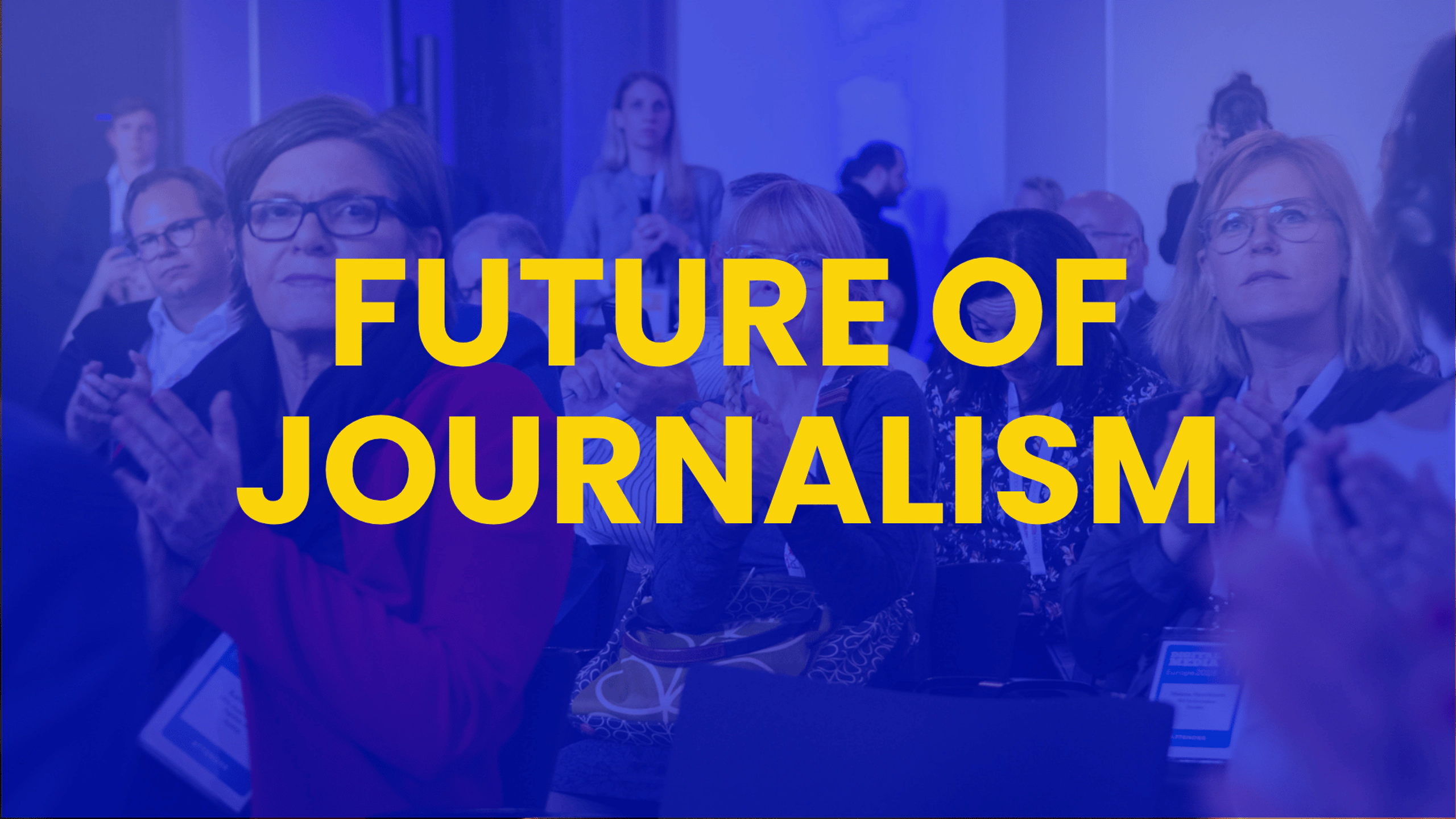
A key topic at Congress is the future of journalism itself –what it’s for, how trust in it is earned, and what it demands of the people who produce it. Kicking it off on the first day of Congress are New York Times publisher A.G. Sulzberger, who will give a keynote and Guardian Editor-in-Chief Katharine Viner, who, in a fireside chat, will lay out her vision for how the industry can face the future with hope. These two defining voices in global journalism will set the tone for the following Congress discussions related to the future of journalism.
Let’s take a closer look at a three of the sessions relating to the value and impact of journalism, how editors can guide newsrooms through challenging times and how we can optimise for trust:
Stop informing. Start mattering.
Tuesday morning gets underway with a session that cuts to the heart of what journalism is actually for. In a world flooded with content, much of it now generated by AI, journalism’s future isn’t about producing more. It’s about producing differently.
Two practitioners who have thought harder than most about how this can be done will share what they’ve found.
Pioneering Paraguayan journalist, researcher and media entrepreneur Jazmín Acuña, has reimagined the journalist’s role, turning audiences into civic co-creators and measuring success not in clicks but in communities that organise and act. Gina Chua, Executive Director, Tow-Knight Center at CUNY, is mapping what journalism needs to rebuild – structurally, editorially, economically – to superserve the audiences that still need it most. Acuña’s and Chua’s conversation is a provocation and start of a playbook: what has to change when the old model no longer works – and why is content alone no longer a strategy?
You will take away:
- How to restructure editorial priorities around community value, not content volume
- What “impact” actually means – and how to measure it beyond pageviews
- Why the question isn’t “how do we save journalism?” but “how do we make journalism worth saving?”
Tuesday June 2 | 9.30
Leadership: Who Takes Care of the Editors?
Most conversations about journalist wellbeing focus on reporters in the field. Tuesday afternoon’s session goes one level up –to the editors and newsroom leaders who carry their teams through crisis, trauma and the grinding weight of an industry under pressure, and who rarely have anyone asking how they’re doing.
The session brings together four people with solid first-hand experience on the topic. Professor Anthony Feinstein is a Professor of Psychiatry at the University of Toronto and a world-leading expert in journalist trauma. Phil Chetwynd is Global News Director of AFP, responsible for 1,700 journalists in 150 countries and Anna Babinets is Editor-in-Chief of Slidstvo.Info, Ukraine’s leading investigative outlet. The conversation will be led by David Walmsley, Editor in Chief of the Globe and Mail who has made this issue a key focus for his tenure as President of the World Editors Forum.
The session is for newsroom leaders navigating the human cost of the job: practical tools, honest conversation and hard-won strategies for protecting your own well-being, building solidarity with peers, and creating the resilient cultures that keep great journalism possible.
What you will take away:
- Practical tools for protecting your own mental health and well-being as a newsroom leader.
- Peer solidarity strategies – how to build and sustain support networks with fellow editors.
- Approaches to building organisational resilience so your newsroom can absorb and recover from shocks.
Tuesday June 2 | 14.30
Table Talk: Earning trust when confidence is low and audiences hostile or indifferent
Trust in news is under pressure from every direction: polarised audiences, platform disruption, and a media environment where credibility can’t be assumed. Join this Tuesday afternoon conversation with leading voices and share ideas of what actually works when navigating hostility, indifference and doubt.
Joy Mayer founded Trusting News a decade ago with a simple premise: trust isn’t something journalists are owed, it has to be earned – every day. Her work gives newsrooms concrete tools to do that, starting with understanding why so many readers approach journalism with skepticism in the first place, and what actually changes minds. Benjamin Sabbah leads the Journalism Trust Initiative at Reporters Without Borders – a practical certification scheme to help news organisations demonstrate to audiences, platforms and advertisers that their journalism processes meet a recognised quality standard.
Tuesday June 2 | 16.00
Be part of the conversation. Join us in Marseille.